
How Often Should You Repaint a House Exterior in New England?
· By Lucas Souza
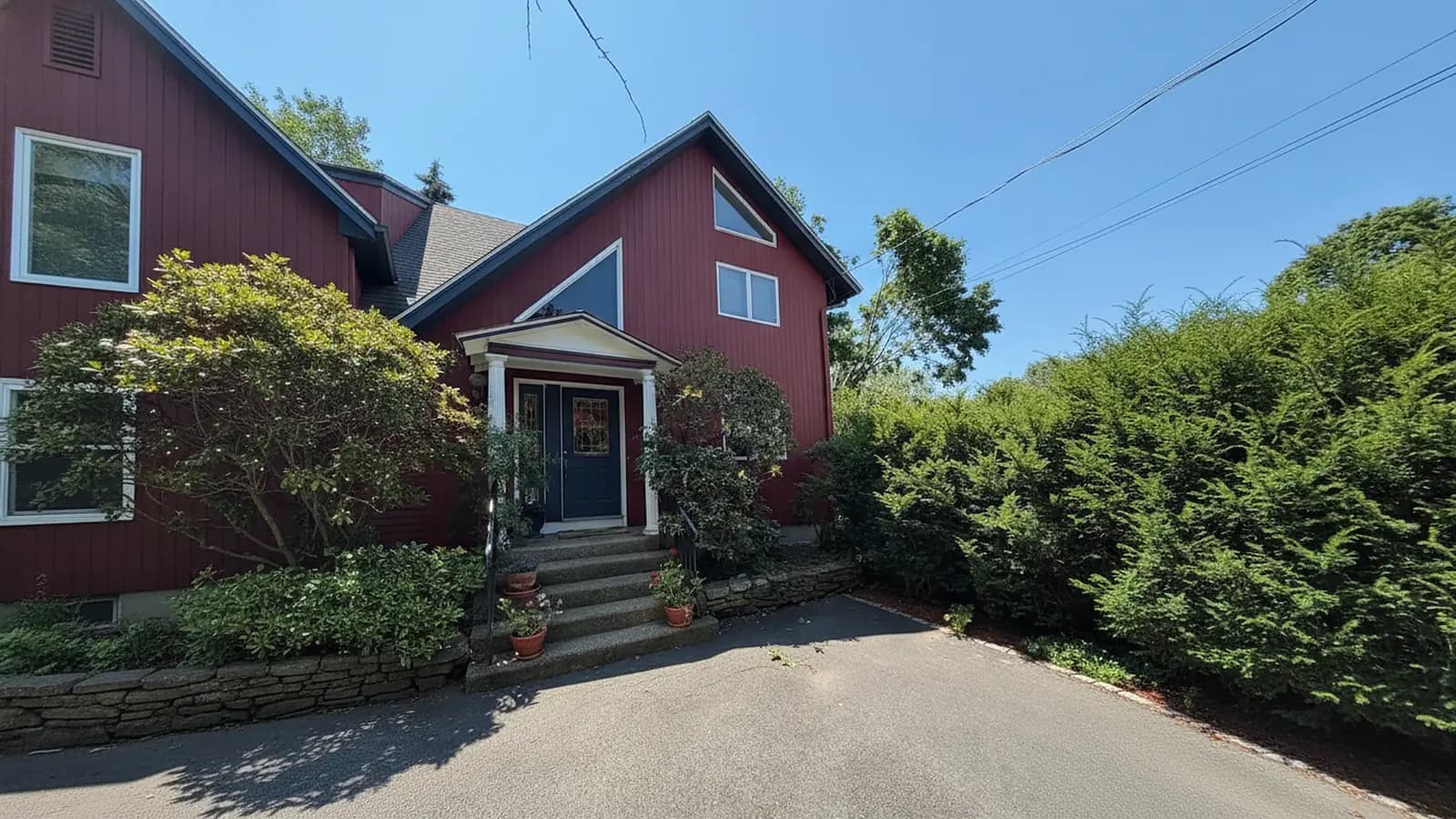
There is no single number for how often a house needs repainting. New England weather is hard on exteriors: freeze and thaw cycles, wet springs, strong summer sun and, near the water, salt air. How long a paint job lasts depends on the siding material, which way each wall faces, and how good the prep was the last time.
Below is a practical guide by siding type, plus the conditions that shorten or stretch the timeline and the signs that tell you it is time.
Wood clapboard
Painted wood clapboard is the classic Greater Boston siding, and it is the most demanding. With good prep and quality paint, many painted wood exteriors in our climate go roughly 7 to 10 years before a full repaint, with touch-ups in between. Poor prep, painting over moisture or skipping primer on bare wood can cut that in half.
Wood moves with moisture and temperature, and paint has to move with it. Failures usually start where water collects: bottom edges of clapboards, window sills, and joints where caulk has cracked. Catching those spots early with scraping, priming and caulking can add years before the whole house needs work.
Cedar shingles and shakes
Cedar shingles are common on coastal homes and many older houses around Winthrop and the North Shore. Painted cedar tends to follow a similar range to clapboard, often somewhere in the 5 to 10 year range depending on exposure. Stained or solid-stained cedar is often recoated more often, since stain is a thinner film that weathers faster.
Shingles have a lot of edges and texture, which means more surface for water to find. They also need to breathe, so heavy paint buildup can trap moisture and lead to peeling. On older shingle homes, part of the job is often deciding how much old coating needs to come off.
Fiber cement and vinyl
Fiber cement siding holds paint well because it is dimensionally stable. Many factory finishes and field-painted fiber cement surfaces go 10 to 15 years or more before they need a repaint, depending on color and sun exposure. The trim and caulk joints often need attention sooner than the siding itself.
Vinyl siding does not need paint to protect it, but homeowners paint it to refresh faded color or change the look. It can be painted successfully with the right prep and a paint designed for vinyl, and the key rule is not to go much darker than the original color. Dark paint on vinyl can absorb enough heat to warp the panels. Painted vinyl commonly lasts around a decade.
Sun, salt and exposure
The south and west sides of a house take the most sun, and UV breaks down paint binders over time. It is common to see a south wall chalking and fading years before the north side of the same house. Some homeowners repaint the most exposed sides on a shorter cycle to spread out the cost.
North sides and shaded walls have the opposite problem: moisture and mildew. They stay damp longer after rain and dew, which feeds mildew and can loosen paint from below. Trees close to the house make this worse.
Coastal homes in Winthrop, South Boston and other waterfront neighborhoods deal with salt spray and wind-driven rain. Salt residue left on the surface can interfere with adhesion, which is why a thorough wash before painting matters more on the coast. Expect coastal exteriors to need attention on the shorter end of any range.
Trim, porches and doors wear faster
Even when the siding still looks good, trim often does not. Window sills, porch floors, stair treads, railings and front doors take more sun, water and foot traffic than the walls, and they commonly need attention every few years. Many Greater Boston homes with stacked porches, like triple-deckers, need porch floors and railings repainted more often than the body of the house.
A simple way to stretch the life of a full repaint is a light maintenance visit every few years: wash the house, touch up sills and trim, recaulk open joints and repaint the front door and porch floors. Keeping gutters clean helps too, since overflowing gutters soak fascia and siding below them and are a common cause of early peeling.
Signs it is time, not just the calendar
Use the timeline as a guide and the house as the final word. Peeling or cracking paint, chalky residue that rubs off on your hand, faded color on sunny sides, gaps in caulk around windows and trim, and soft or discolored wood are all signs the protective film is failing.
Waiting too long costs more. Once water gets behind the paint, prep turns into wood repair. Repainting while the old coating is mostly sound usually means less scraping and a more durable result.
At L&D Painting we can look at your exterior and tell you honestly whether it needs a full repaint, a partial repaint on the exposed sides, or just maintenance. Estimates are free with no visit fee across Greater Boston. Request one and we will walk the house with you.
Frequently asked questions
- How often should a wood house be painted in Massachusetts?
- Many painted wood exteriors go roughly 7 to 10 years with good prep and paint, with touch-ups in between. Sun exposure, moisture and the quality of the last job can shorten that.
- Can you paint vinyl siding?
- Yes, with proper cleaning and a paint made for vinyl. Stay close to or lighter than the original color, since much darker colors can make the panels absorb heat and warp.
- Why is one side of my house peeling and not the others?
- Different exposure. South and west walls get the most UV, while north walls stay damp. Moisture from gutters, sprinklers or trees can also affect one side more than the rest.
- Does coastal air shorten paint life?
- Often, yes. Salt, wind and moisture are hard on coatings, and salt left on the surface can hurt adhesion. A thorough wash before painting helps.
- Can I repaint only the sides of the house that look worn?
- Often, yes. Many homeowners repaint the sunniest or wettest sides first and the rest a few years later. If the color has faded a lot, a slight mismatch between sides may show until the whole house is done.
Related services
Found this helpful? Make us a preferred source on Google.
Ready for an exact price?
Get a free, no-pressure in-home estimate. Real numbers for your home, not a phone guess.