
How to Choose a House Painter in Boston: Questions, Paperwork and Red Flags
· By Lucas Souza
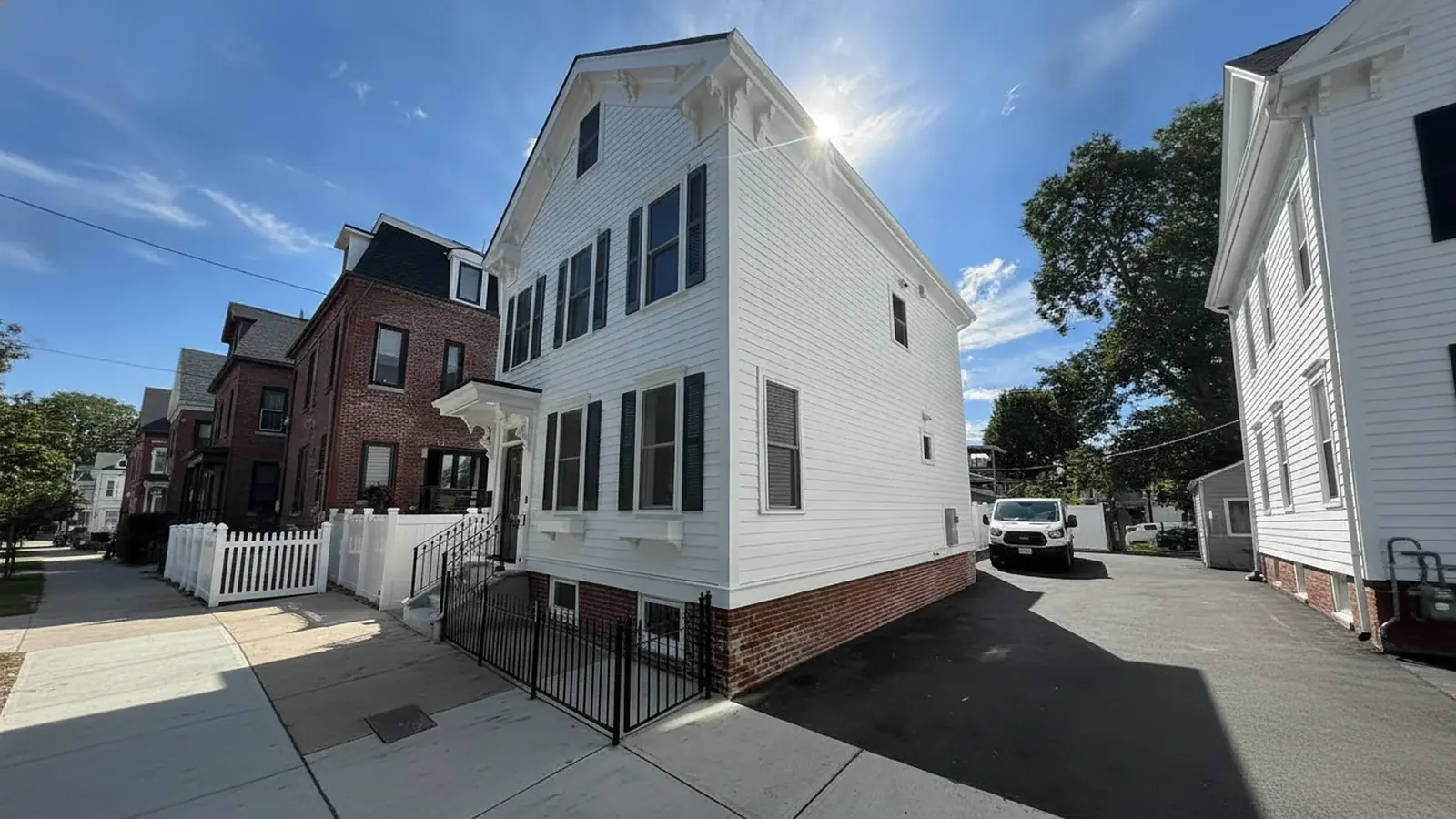
Most painting problems homeowners run into are decided before the first brush touches a wall. They happen at the hiring stage, when an estimate is vague, nobody asks about insurance, or the prep work is left as a verbal promise. Choosing well takes a little more time up front, and it saves a lot of frustration later.
This guide walks through what to ask house painters in Boston and the surrounding towns, which documents to request, how to compare estimates fairly, and the red flags that should make you keep looking. It applies to interior and exterior work alike.
Start with insurance, and ask for the certificate
Painting involves ladders, staging, sprayers and other people's property. If a worker is hurt on your porch or a ladder goes through a window, the question of who pays depends on the contractor's coverage. Ask every painter you are considering for a certificate of insurance, not just a verbal yes.
A certificate should show general liability coverage and, for companies with employees, workers' compensation. Look at the policy dates to make sure it is current, and check that the business name matches the name on the estimate. Many homeowners ask the insurance agent listed on the certificate to confirm it directly, which is a reasonable step.
Be cautious with anyone who says insurance is not needed for a small job. Small jobs still involve ladders, and a two-story Boston triple-decker is not a small ladder.
Insist on a written, itemized estimate
A good estimate tells you exactly what you are paying for. It should list the rooms or elevations included, the surfaces (walls, ceilings, trim, doors, siding, porch floors), the number of coats, whether primer is included, and how repairs like scraping, patching or caulking are handled. If something is excluded, it should say so.
Itemized estimates make comparison possible. When one quote is much lower than the others, it usually means something is missing: fewer coats, less prep, or areas left out entirely. Line up the estimates side by side and compare scope before you compare price.
Ask how changes are handled once work begins. If rot turns up behind a piece of trim or you decide to add a room, you want a clear process for pricing that change in writing before the extra work happens.
Ask about prep, schedule, cleanup and communication
Prep is where lasting paint jobs are made. Ask the painter to describe the plan: how surfaces will be cleaned, what gets scraped and sanded, how gaps are caulked, what gets primed, and how floors, furniture, windows and landscaping will be protected. A clear answer to this question tells you more than any sales pitch.
Get the schedule in writing too: the start date, the expected duration and what happens if weather delays exterior work. In New England, rain days are normal, so a contractor who explains how they reschedule is being realistic, not evasive.
Cleanup and communication matter more than people expect. Ask whether the crew cleans up daily, where they store materials and who your point of contact is. Greater Boston is multilingual, and it helps when the company can talk with you clearly in your preferred language. At L&D Painting, for example, we communicate in English, Portuguese and Spanish, which keeps questions from getting lost.
Massachusetts consumer protections, in general terms
Massachusetts has consumer protection rules that apply to many home improvement projects on owner-occupied residential properties, including a contractor registration program and requirements around written contracts. The details, such as which projects and property types are covered and what a contract must include, are set by the state and can change.
Rather than rely on a blog post for legal specifics, check the current rules on mass.gov, where the state publishes guidance for homeowners about hiring home improvement contractors, looking up registrations and resolving disputes. If you have a specific legal question, the state consumer affairs office or an attorney is the right source.
Homes built before 1978 may contain lead paint. Federal and state rules generally require lead-safe work practices by certified firms when painted surfaces in those homes are disturbed. Ask any painter how they plan to handle this on an older home, and check the EPA and Massachusetts resources for what applies to your project.
Red flags that should end the conversation
Walk away from a painter who asks for most or all of the money before work starts, refuses to put the scope in writing, or cannot produce a certificate of insurance. Pressure to sign the same day, or a price that only holds if you decide now, is another warning sign.
Be wary of estimates given without anyone looking at the house, vague answers about prep, and a lack of any plan for protecting your floors and belongings. Also pay attention to responsiveness during the quoting process. A contractor who takes a week to answer a simple question before they have your money rarely gets faster after.
If you are comparing painters in Boston or nearby towns, we are happy to be one of your quotes. Request a free estimate, with no visit fee, and we will walk the project with you and give you a written, itemized scope you can compare line by line.
Frequently asked questions
- How many painting estimates should I get in Boston?
- Two or three written, itemized estimates is usually enough to understand the fair range for your project. More important than the number is comparing them on the same scope: surfaces, coats, primer and prep.
- Should I pay a deposit to a painter?
- A reasonable deposit to schedule the job and order materials is common. Paying most of the total up front is a risk. Check mass.gov for current Massachusetts guidance on deposits for home improvement work.
- What insurance should a house painter carry?
- At minimum, general liability coverage. Companies with employees should also carry workers' compensation. Ask for a certificate and confirm the dates and business name.
- Is the cheapest painting estimate a bad sign?
- Not always, but a much lower price usually means less prep, fewer coats or missing areas. Compare the written scope line by line before deciding.
- Do painters need to follow special rules on older homes?
- Homes built before 1978 may have lead paint, and disturbing it generally calls for lead-safe practices by certified firms. Ask how the painter handles it and review EPA and Massachusetts guidance.
Related services
Found this helpful? Make us a preferred source on Google.
Ready for an exact price?
Get a free, no-pressure in-home estimate. Real numbers for your home, not a phone guess.