
Painting Boston Homes: A Local Guide to Housing Styles, Historic Districts and Timing
· By Lucas Souza
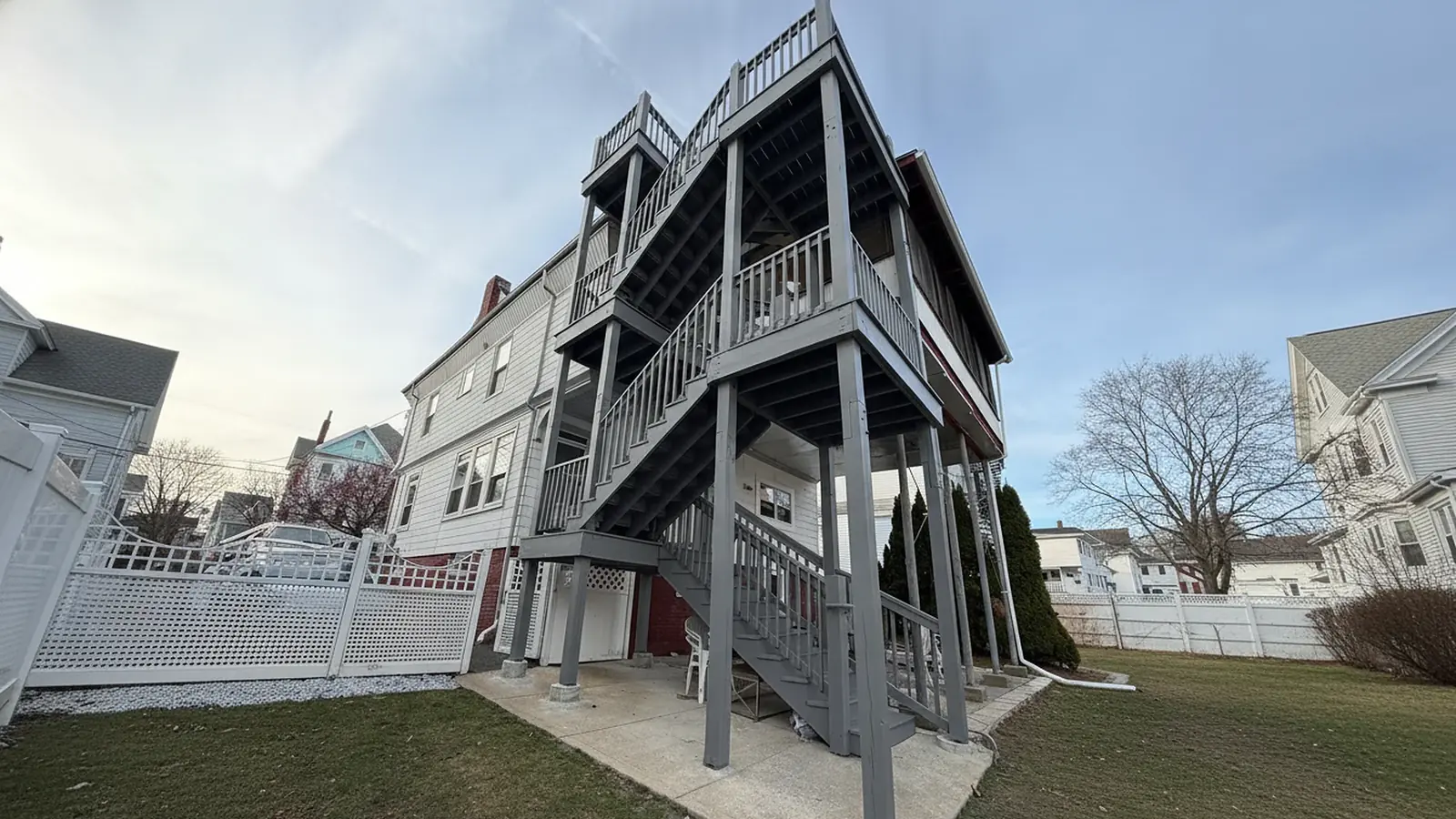
Painting a home in Boston is shaped by the city itself. The building types vary by neighborhood, many homes are well over a century old, some streets sit inside historic districts with their own review process, and the weather gives exterior work a limited season. Street parking and narrow lots add their own planning.
This guide is meant to help Boston homeowners and landlords understand those local factors before they start a project, whether they plan to hire a painter or simply want to know what they are getting into.
Boston housing stock, neighborhood by neighborhood
Back Bay and the South End are known for brick and brownstone row houses. On these buildings, exterior painting is usually focused on the pieces that are not masonry: window sashes and frames, doors, cornices, iron railings and bay windows. Interiors often have tall ceilings, deep plaster moldings and original woodwork, which take more time and care than modern drywall.
Dorchester, Jamaica Plain, Roslindale, South Boston and parts of Charlestown have many wood-frame triple-deckers and two-families. These buildings have tall walls, stacked porches front and back, lots of trim and often multiple owners or tenants. Painting them usually means planning around porch access, shared walls and coordination between units.
Victorian single-families and larger homes appear in pockets of Jamaica Plain, Dorchester, West Roxbury and Roslindale. Their appeal comes from detail: brackets, spindles, shingles and multiple trim colors. That detail is also what makes them slower to prep and paint than a plain colonial.
Historic districts and exterior review
Parts of Boston, including Beacon Hill, Back Bay and the South End, are designated historic or architectural districts. In these areas, changes to the exterior of a building that can be seen from a public way may need review and approval before the work happens. Depending on the district, that can include changes to exterior colors, doors, windows and trim details.
The rules vary by district and change over time, so the reliable step is to check with the Boston Landmarks Commission or the relevant neighborhood architectural commission before planning exterior color changes. Repainting in the same color is often treated differently from changing colors, but confirm that for your specific address rather than assuming. Interior painting generally is not part of this review.
Weather and the Boston painting season
Exterior paint needs dry surfaces and temperatures within the range listed on the product, and it needs time to cure before cold nights and dew. In Boston, the most reliable exterior window usually runs from late spring through early fall. Late May, June and September are often the most comfortable months, with July and August workable around heat and afternoon storms.
Coastal neighborhoods like South Boston, East Boston and Dorchester near the water deal with salt air and wind, which can shorten the life of exterior paint on exposed sides. Morning dew and fog also delay start times on some days. Interior painting, by contrast, can run all year, and winter is often a good time to book it.
Color is part of the local picture as well. Boston streets range from the muted historic palettes of Beacon Hill brick and black shutters to the brighter mixes seen on triple-deckers in Dorchester and Jamaica Plain. Outside historic districts, owners have wide freedom, but it still helps to look at the whole street before choosing. Deep colors on south-facing walls fade faster and absorb more heat, while very light colors show dirt quickly on busy roads. Testing samples on the actual siding, on more than one side of the building, gives a more honest preview than a paint chip held up indoors.
Parking, permits and access
Many Boston streets have resident permit parking, and work vehicles, ladders and staging may need room at the curb. The city has processes for reserving street space for moving and construction, and some work that occupies the sidewalk or street may need a permit. Requirements differ by situation, so check with the City of Boston's transportation and public works departments for current rules before the project starts.
Narrow lots and shared driveways affect access too. On triple-deckers and row houses, the back of the building may only be reachable through a neighbor's yard or a tight alley, and staging may need to be set up in stages. Talking to neighbors early avoids a lot of friction.
Older homes, lead paint and timing your project
A large share of Boston homes were built well before 1978, so lead paint is a real possibility on trim, windows, porches and older interior layers. Work that disturbs painted surfaces in these homes generally requires lead-safe work practices by certified firms, and Massachusetts has its own lead rules that can be especially relevant to rental properties with young children. Review EPA and Massachusetts resources and ask any contractor how they handle it.
For timing, book exterior work early in the year, since the best months fill up quickly. If your street is in a historic district, add time for any review. Plan interiors for late fall and winter when possible. If you want help sorting out a Boston project, we can walk the property with you and put a free estimate in writing.
Frequently asked questions
- Can I paint the inside of my home in winter in Boston?
- Yes. Interior painting works year-round with the heat on and some ventilation, and winter is often easier to schedule than the busy exterior season.
- Do I need approval to paint my house in a Boston historic district?
- Exterior changes visible from a public way may need review in districts like Beacon Hill, Back Bay and the South End. Check with the Boston Landmarks Commission or the neighborhood architectural commission for your address.
- What is the best month to paint a house exterior in Boston?
- Late May, June and September are often the most comfortable, with dry weather and mild temperatures. July and August work too, with planning around heat and storms.
- Why do triple-deckers take longer to paint?
- They are tall, have stacked porches front and back, a lot of trim and often limited access, so ladders and staging take more time to set up and move.
- Do I need a permit for painters to park on my Boston street?
- It depends on the street and how much space is needed. Check the City of Boston's transportation and public works rules for reserving curb space or occupying the sidewalk.
Related services
Serving
Found this helpful? Make us a preferred source on Google.
Ready for an exact price?
Get a free, no-pressure in-home estimate. Real numbers for your home, not a phone guess.