
Painting Cambridge Homes: Victorians, Triple-Deckers, Historic Review and Rental Turnover
· By Lucas Souza
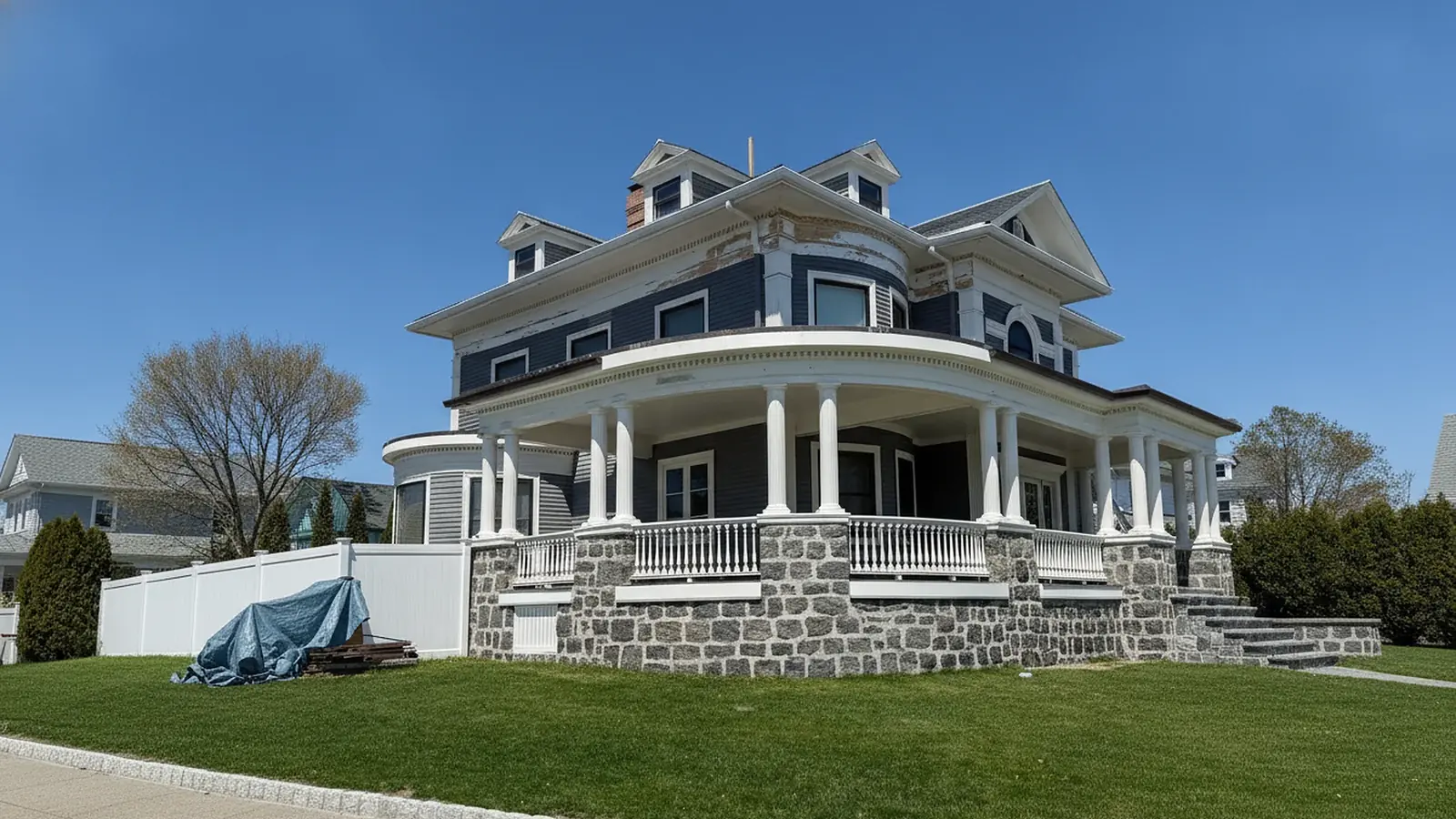
Cambridge packs a lot of housing history into a small city. Wood-frame Victorians, Queen Annes, triple-deckers and two-families sit close together on narrow lots, many of them more than a century old. A large rental market tied to the universities adds a rhythm of its own, with units turning over on a predictable calendar.
This guide looks at what makes painting in Cambridge different: the building types by area, how historic review can come into play, the rental turnover cycle, and how weather and timing fit together.
Cambridge housing stock by area
Mid-Cambridge, between Harvard Square and Central Square, has many large Victorian and Queen Anne homes, some converted into condos. Expect clapboard and shingle siding, deep porches, bay windows and decorative trim. These homes reward careful prep and multi-color trim schemes, and they take longer than a plain box-shaped house because of all the edges and details.
Cambridgeport and the area around Central Square have many worker cottages, two-families and triple-deckers on small lots. Space between buildings is tight, sometimes only a few feet, which makes ladder placement and protecting a neighbor's property part of the plan. Areas near Harvard Square and west toward Brattle Street include larger historic homes, some with slate roofs, older windows and high-value original details.
North Cambridge and East Cambridge each have their own mix of two-families, triple-deckers and smaller single-families. Across the city, the common thread is age: most exteriors have many layers of paint, and older layers may contain lead.
The Cambridge Historical Commission
Cambridge has local historic districts and neighborhood conservation districts overseen by the Cambridge Historical Commission. Depending on where a property sits and what kind of district it is in, some exterior changes may need review or a certificate before work starts. The level of review, and what counts as a change, can differ from one district to another.
Paint color is treated differently in different districts, and repainting in kind is not always handled the same as a new scheme or changes to trim, windows or porches. The safe approach is to contact the Cambridge Historical Commission with your address and the work you have in mind before finalizing plans. Their staff can tell you whether any review applies.
Rental turnover painting for landlords
Many Cambridge leases follow the academic calendar, with a large share of units turning over around September 1 and a smaller wave in early summer. That creates a short window between one tenant moving out and the next moving in, sometimes only a few days. Landlords who want units repainted during turnover usually need to book well ahead, because demand spikes at the same time across the city.
Turnover painting is typically about durability and speed: patching nail holes and wall damage, touching up or repainting high-traffic walls, refreshing trim and doors, and using finishes that clean well. Choosing a consistent standard color for all units simplifies future touch-ups. Scheduling paint before cleaning, and cleaning before the new tenant arrives, keeps the turnover order sensible.
For rental properties built before 1978, lead rules deserve attention. Massachusetts has specific lead requirements for rentals where young children live, and disturbing painted surfaces in older buildings generally calls for lead-safe work practices by certified firms. Landlords should review the Massachusetts and EPA guidance for their properties.
Weather and timing in Cambridge
Cambridge shares Boston's exterior season, generally late spring to early fall, when surfaces stay dry and nights stay mild enough for paint to cure. Trees along many streets shade some walls for most of the day, so those sides dry slower after rain and are more prone to mildew, which affects both washing and painting schedules.
The rental calendar competes with the exterior season in late August, so owners of multi-family buildings may want exterior work finished in June or July, before turnover. Condo buildings often need association approval and coordination with several owners, which adds lead time. Interior work can happen in any season and is often easiest to schedule in winter.
Cambridge interiors have their own considerations. Many older homes still have original plaster walls and ceilings, which crack along seams and around doors as the building settles. Those cracks need proper patching, not just paint, or they reappear within a season. Radiators, tall baseboards, pocket doors and built-in cabinets are common and take extra time to mask and paint neatly. In condo conversions, common hallways and stairwells may fall under the association rather than individual owners, so check who is responsible before planning work in shared spaces.
Planning a Cambridge project
A good sequence for most Cambridge exteriors is: check historic review needs, confirm lead considerations for older homes, coordinate with neighbors on access for tight side yards, schedule in the dry season, and allow time for washing, scraping and drying before paint.
For landlords, the most useful step is booking turnover work months ahead and keeping a record of colors and sheens used in each unit. If you are planning a Cambridge project and want it laid out in writing, we can visit the property and provide a free estimate.
Frequently asked questions
- Do plaster walls in older Cambridge homes need special prep?
- Usually. Plaster cracks along seams and around doors need proper patching and priming before paint, or the cracks tend to show through again within a season.
- Do I need approval to change my house color in Cambridge?
- It depends on whether the property is in a historic or conservation district and on that district's rules. Contact the Cambridge Historical Commission with your address before changing colors or exterior details.
- When should Cambridge landlords schedule turnover painting?
- Book well before the September 1 turnover period, since demand spikes then. The window between tenants is often only a few days.
- Are Cambridge Victorians more expensive to paint?
- They usually take more time because of trim detail, porches, bay windows and many paint layers, which adds prep and labor compared with a simpler house.
- Do lead paint rules apply to Cambridge rentals?
- Many Cambridge buildings predate 1978, and Massachusetts has specific lead rules for rentals, especially where young children live. Review state and EPA guidance for your property.
Related services
Serving
Found this helpful? Make us a preferred source on Google.
Ready for an exact price?
Get a free, no-pressure in-home estimate. Real numbers for your home, not a phone guess.