
House Painting in Newton, MA: A Village-by-Village Guide for Homeowners
· By Lucas Souza
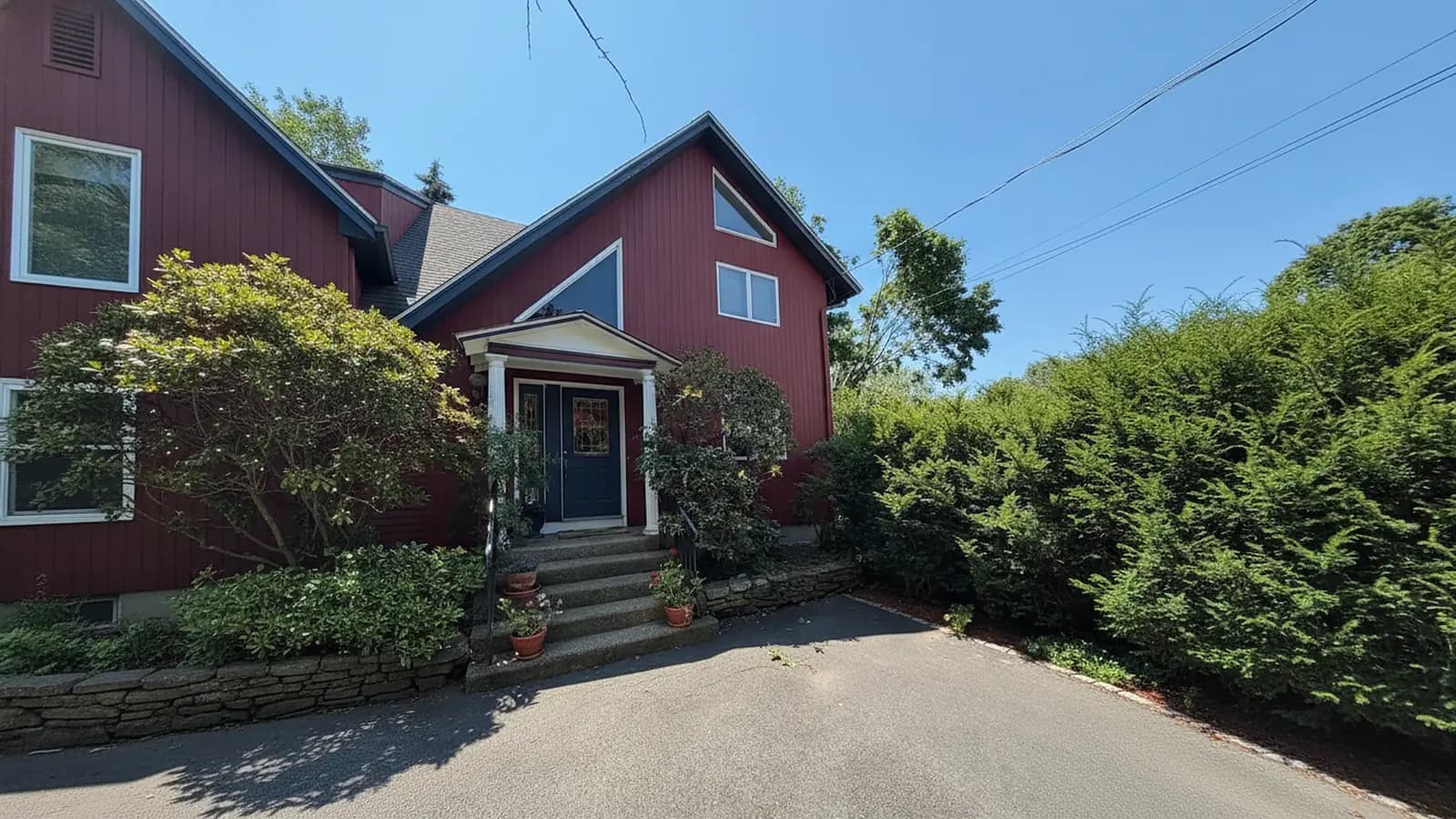
Newton is often described as one city, but anyone who lives there knows it works more like thirteen small towns stitched together. Each village has its own mix of housing, street width, tree cover and history, and those details matter a lot when you are planning a paint project. A shaded Victorian on a hill in Newton Highlands does not behave like a sunny Cape near the Pike in Newtonville.
This guide walks through what makes painting in Newton different: the housing styles you see most, how the tree canopy affects paint life, what to check before touching a home in a historic area, and how to time the work. It is written for homeowners who want to understand the job before they call anyone, including us.
Newton's 13 villages and the homes you find in each
Newton's villages are Auburndale, Chestnut Hill, Newton Centre, Newton Corner, Newton Highlands, Newton Lower Falls, Newton Upper Falls, Newtonville, Nonantum, Oak Hill, Thompsonville, Waban and West Newton. The character shifts from one to the next. Chestnut Hill, Waban and parts of West Newton lean toward large Colonial Revival, Tudor and Shingle style homes on generous lots. Newton Centre and Newton Highlands mix big Victorians with early twentieth century Colonials. Nonantum and Newton Corner have more two-family homes and tighter lots, while Oak Hill and Thompsonville include many mid-century Capes, ranches and split-levels.
Why does this matter for paint? Because the house type drives the prep. A Tudor has stucco panels and half-timbering that need different coatings and careful cutting in. A Victorian can have dozens of trim profiles, brackets and spindles, which is where most of the labor goes. A mid-century ranch in Oak Hill may have long, simple runs of clapboard that go quickly but often hide rot at the sill line. When you get estimates, ask each contractor how they would handle the specific details of your house, not houses in general.
Newton Upper Falls and Newton Lower Falls, along the Charles River, have some of the oldest housing stock in the city, including worker cottages and older mill-era homes. These often have many layers of old paint, which brings up the lead question discussed below.
Mature trees, shade and mildew on north-facing walls
Newton's tree canopy is one of the reasons people love living there, and it is also one of the main reasons exterior paint fails early. Walls that sit in shade most of the day stay damp longer after rain and morning dew. That moisture feeds mildew and algae, which show up as gray, green or black staining, usually on north faces, under deep eaves and behind shrubs planted close to the foundation.
A good exterior job in a shaded Newton yard starts with cleaning, not painting. Mildew has to be killed and rinsed off before any primer goes on, or it can grow back through the new finish. Gentle power washing or a soft wash with a mildew cleaner, followed by full drying time, is the normal approach. On older wood, washing pressure has to stay low so it does not raise the grain or force water behind the siding.
It also helps to think about the site itself. Trimming branches that touch the roof or siding, pulling mulch a few inches away from the foundation, and keeping gutters clear so water does not sheet down the walls will all extend the life of the paint. Clogged gutters under oak and maple trees are one of the most common causes of peeling fascia and trim we see in wooded neighborhoods.
Historic districts and the Newton Historical Commission
Newton has several local historic districts, and the city also has a demolition delay process for older buildings. The Newton Historical Commission and the local historic district commissions review certain exterior changes to properties inside those districts. In general, the rules in many Massachusetts local historic districts focus on things like materials, windows, trim and architectural features, and paint color is often exempt, but that varies by district and it can change.
Because the specifics depend on your address and the district's current guidelines, the right move is to check with the City of Newton Planning Department or the Newton Historical Commission before you start any exterior project that involves more than repainting. Replacing trim with a different profile, swapping wood for composite, or removing decorative elements is the kind of work that more often needs review.
Separate from historic review, many Newton homes were built before 1978, which means lead paint is likely somewhere under the current layers. Federal EPA rules require contractors who disturb painted surfaces in pre-1978 homes to follow lead-safe work practices. Ask any painter you are considering how they handle containment, dust control and cleanup on an older house, and ask to see their documentation.
Interior painting in large, older Newton homes
Inside, the biggest factor in Newton is scale. Many homes have tall ceilings, wide staircases with long wall runs, original plaster, and a lot of trim: crown molding, wainscoting, window casings and built-ins. Plaster walls often have hairline cracks that need to be opened, filled and sanded before paint, or the cracks telegraph through within a season.
Stairwells are worth planning for separately. A two or three story open stair in a Victorian or Colonial needs staging or tall ladders set up safely over finished floors, and it usually takes longer than homeowners expect. Built-ins and trim that have been painted many times may need scraping and sanding to get crisp edges back. If you are only doing part of the house, starting with the rooms that get the most daylight will show the biggest visual change.
Timing an exterior paint job in Newton
Exterior painting in the Boston area generally runs from late April or May into October, depending on the weather. Most exterior coatings need surface and air temperatures above roughly 50 degrees (some are rated lower) and dry conditions for several hours after application. In Newton's shaded lots, walls can stay cool and damp well into late morning, so crews often start on the sunny sides and work around the house as it dries.
Late spring and early fall are the most popular windows, which means schedules fill up. Getting estimates in winter or early spring gives you more choice of start dates. Interior work can happen all year, and winter is often the easiest time to get on a schedule.
If you are planning a project in any of Newton's villages, L&D Painting can walk the house with you, point out the shaded walls and trim that need the most prep, and give you a free written estimate with no visit fee.
Frequently asked questions
- Do I need approval to repaint my house in a Newton historic district?
- Often paint color alone does not require review, but rules differ by district and can change. Check with the Newton Historical Commission or the city's Planning Department before starting, especially if you plan to change trim, windows or materials.
- Why does paint peel faster on the north side of my Newton home?
- Shade from mature trees keeps north walls damp longer, which encourages mildew and moisture problems under the paint. Cleaning the mildew, fixing gutter overflow and letting the siding dry fully before painting all help the new coat last longer.
- How long does it take to paint a large Victorian or Colonial in Newton?
- It depends on size, condition and trim detail. A large home with lots of scraping and decorative trim can take a couple of weeks or more with a full crew, while a simpler Cape may take several days. A site visit is the only way to give a real timeline.
- What does exterior painting cost in Newton?
- Costs vary widely with house size, prep needed and trim detail. Many full exteriors in the area land somewhere in the high four figures to the low five figures, and large or heavily detailed homes can run higher. A free on-site estimate gives you an actual number.
Found this helpful? Make us a preferred source on Google.
Ready for an exact price?
Get a free, no-pressure in-home estimate. Real numbers for your home, not a phone guess.