
Painting in South Boston: Triple-Deckers, Row Houses and Harbor Weather
· By Lucas Souza
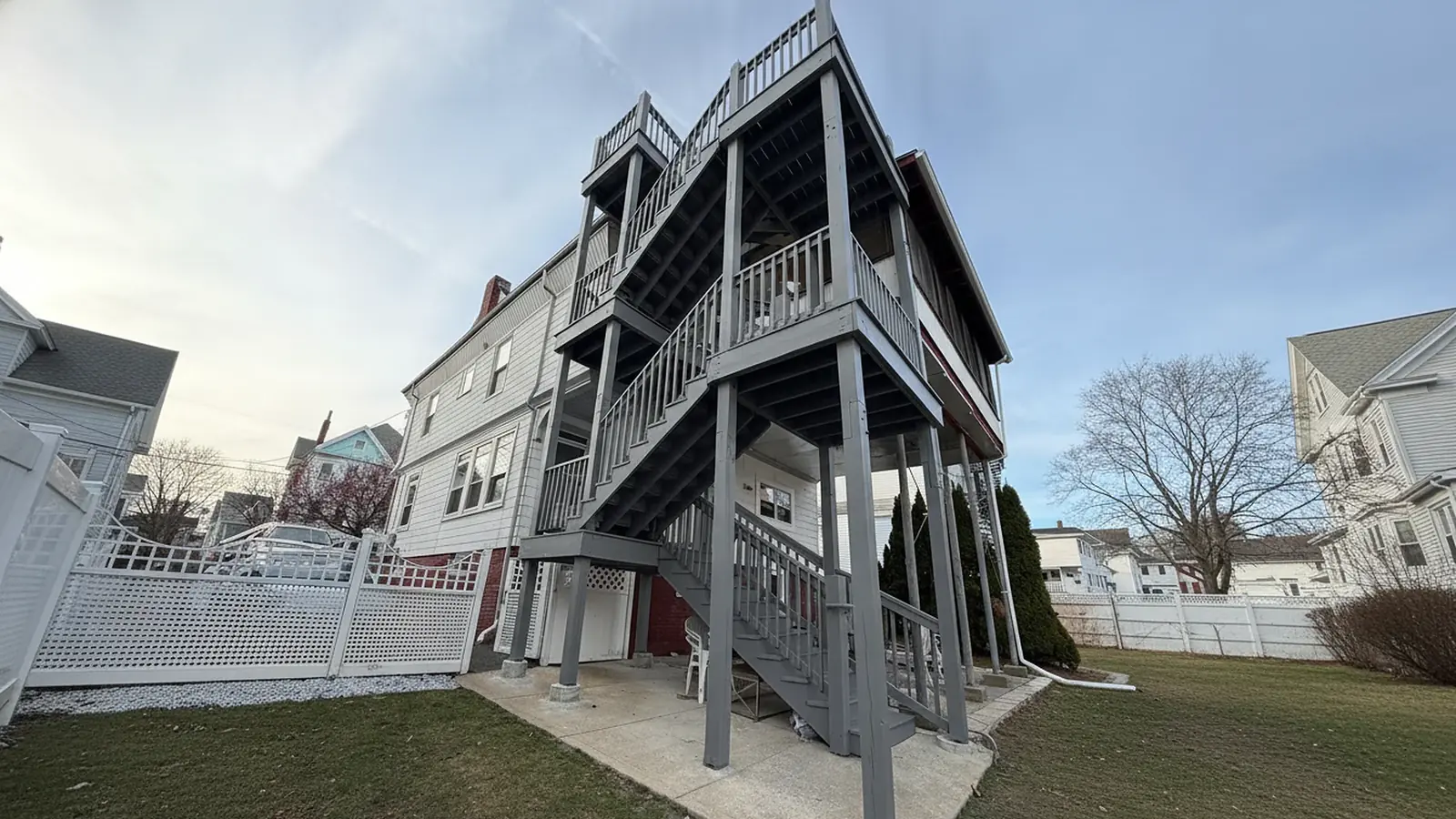
South Boston has a housing stock that is unlike most of the suburbs around it. Stacked porches, attached row houses, narrow lots and a lot of shared ownership, all within a short walk of open water. Painting here is as much about logistics and coordination as it is about brushes and ladders.
This guide covers what homeowners, condo boards and landlords in Southie should think about before a paint project: the building types, the effect of harbor weather, how shared buildings change the process, and the practical side of working on dense city streets.
Triple-deckers and row houses: what makes them different
The classic South Boston triple-decker has three stacked units, each with its own front and often rear porch. That means three levels of railings, balusters, ceilings, columns and floors to prep and paint, usually reached by tall ladders or staging. Porches take the brunt of the weather and foot traffic, so they usually need more work than the siding itself: scraping, sanding, replacing rotted balusters or rails, and coatings suited to floors that get walked on.
Row houses and attached homes along streets closer to Broadway and the East Side bring a different challenge: shared walls and often only a front and rear face to work on. The front facade may be brick with painted trim, cornices and bay windows. Access to the rear is often through a narrow alley or a neighbor's yard, which needs to be sorted out before the project starts.
Most of these buildings are well over a century old, so they were built long before 1978. Lead paint should be assumed on original trim and porches. Federal EPA rules require contractors to follow lead-safe work practices when disturbing painted surfaces in pre-1978 housing, and in a dense neighborhood where the next building is a few feet away, dust containment is especially important.
Salt air, wind and sun off the harbor
City Point, the stretch along Day Boulevard and Castle Island, and blocks near Pleasure Bay get steady wind off the water. Salt carried in the air settles on siding and trim, and on surfaces that do not get rinsed by rain (under porch ceilings, beneath eaves) it builds up and can interfere with adhesion. Wind also dries paint faster and can carry grit onto a wet finish.
For buildings with direct harbor exposure, cleaning before painting matters more than usual. A thorough wash to remove salt, grime and chalking, followed by drying time, gives the primer something clean to grip. On exposed walls, crews also have to watch the wind and plan the day around calmer hours, since spraying in wind is usually a bad idea and even brush work suffers when dust is blowing.
Metal railings, fasteners and flashing near the water tend to rust faster. Spot-treating rust and using a primer made for metal before topcoating is standard on coastal buildings, and it applies to parts of Southie that face the harbor.
Condo associations, shared buildings and landlord turnovers
A large share of South Boston buildings are split into condos. In a three-unit building, the exterior is usually common property, which means the association decides on the scope, color and budget, and all owners share the cost according to the condo documents. Getting everyone to agree is often the longest step. It helps to have one point of contact for the association, a written scope that lists every surface, and clear expectations about access to each unit's porch and windows.
Interiors are different. Unit owners typically handle their own interior painting, while associations may cover common hallways and stairwells. Hallways in older triple-deckers see heavy traffic, and repainting them with a durable, washable finish is a common project.
Landlords in Southie often need interiors painted quickly between tenants, sometimes in the few days between a lease ending and the next one starting. Those turnovers work best when the unit is empty and cleaned, the color is standardized across units, and repairs like patching nail holes and small drywall damage are part of the same visit.
Parking, permits and street logistics
Southie's streets are tight, parking is scarce, and many blocks are resident permit parking. Crews need somewhere to park a work vehicle and stage materials. Depending on the job, that may mean coordinating with the building owner for driveway or rear access, or looking into the City of Boston's process for temporary street occupancy or reserved parking for work vehicles. Rules and fees can change, so check with the city's Public Works and Transportation departments for the current process before the start date.
Staging and ladders on a narrow sidewalk also have to leave room for pedestrians. Street cleaning days, snow emergency routes in the colder months and neighborhood events around the waterfront can all affect scheduling. Planning these details upfront avoids delays once the work begins.
When to paint in South Boston
Exterior painting in Southie follows the regular Boston season, roughly May through October, but wind near the water adds another variable. Calm, dry days in late spring and early fall are ideal. Midsummer works too, although crews often start early to avoid painting surfaces in direct afternoon sun.
Interior projects, including condo hallways and rental turnovers, happen year round. If you are a landlord with a September 1 turnover, booking the painting well before the end of August is wise, since that week is one of the busiest in the Boston rental calendar.
If you own, manage or share a building in Southie, L&D Painting can look at the porches, trim and common areas and put together a free estimate with a clear written scope that the whole association can review.
Frequently asked questions
- Who pays for exterior painting in a South Boston condo building?
- In most condo buildings the exterior is common area, so the association plans the project and owners share the cost based on the condo documents. Check your master deed and bylaws for the exact rules.
- Does salt air really affect paint in Southie?
- Yes, especially near City Point, Castle Island and the waterfront. Salt residue can reduce adhesion if it is not washed off, and metal parts rust faster. A thorough cleaning before painting is the most important step.
- Do I need a city permit to paint my South Boston triple-decker?
- Painting itself usually does not need a building permit, but using the street or sidewalk for staging or parking may require city approval. Check with the City of Boston for the current process.
- How fast can a rental unit be painted between tenants?
- Many standard apartments can be done in a day or two when the unit is empty and the scope is clear. Larger units or ones needing repairs take longer, so book early for busy turnover dates.
Found this helpful? Make us a preferred source on Google.
Ready for an exact price?
Get a free, no-pressure in-home estimate. Real numbers for your home, not a phone guess.