
Painting a Coastal Home in Winthrop, MA: Salt, Wind, Sand and Sun
· By Lucas Souza
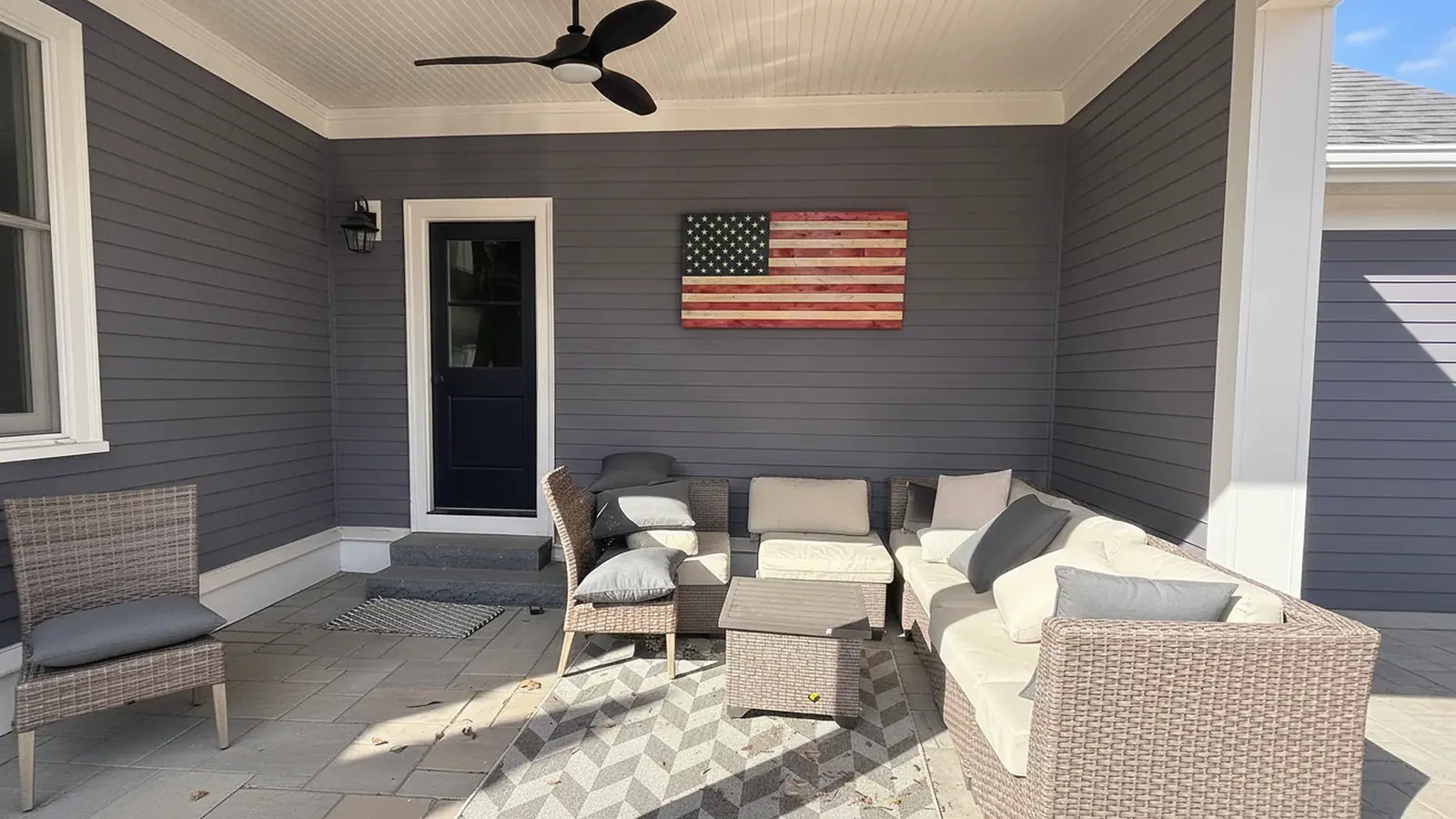
L&D Painting is based in Winthrop, so this is the town we know best. Winthrop is a small peninsula with water on almost every side: Boston Harbor, the open Atlantic along Winthrop Beach, and Belle Isle Inlet. Almost every house here gets some combination of salt air, wind, blowing sand and strong sun, and paint wears differently because of it.
This guide explains how coastal exposure affects the homes in Winthrop's neighborhoods, what to look for on shingles and porches, how to think about coatings for a coastal house without getting lost in brand names, and why gutters and washing are part of paint maintenance here.
Winthrop's neighborhoods and how exposed they are
Exposure varies more than people expect on such a small peninsula. Point Shirley, at the southern tip, sits between the harbor and the ocean with very little shelter, so homes there take wind and salt from multiple directions. Houses along Winthrop Beach and Winthrop Shore Drive face the open Atlantic and get direct sun, spray and sand, especially during winter storms and nor'easters.
Winthrop Highlands, on higher ground, has older homes with views of the water and more wind than sheltered streets below. Cottage Park, on the harbor side, looks toward the Boston skyline and gets steady harbor breezes. Streets closer to the center of town and away from the shoreline are somewhat more protected, but salt still travels inland here, and no part of Winthrop is far from the water.
When you plan a paint project, walk around your house and note which walls face the water or the prevailing wind. Those sides will usually show chalking, fading and peeling first, and they deserve the most attention during prep.
What salt air, wind, sand and sun do to paint
Salt settles on every surface. On walls that get rain, it gets rinsed off. On protected surfaces like porch ceilings, the underside of eaves and inside corners, it builds up. Painting over salt residue can weaken adhesion and lead to peeling. Salt also speeds up rust on nails, railings, hinges and flashing, which then bleeds through paint as orange streaks.
Wind carries sand and grit that slowly wears down the finish on the most exposed sides, and it can blow debris onto wet paint during application. Sun on ocean-facing walls breaks down coatings over time, causing chalking and fading, particularly with darker colors, which absorb more heat and can also make wood move more.
Together, these mean a coastal house in Winthrop typically needs exterior attention more often than a similar house inland, and the weather side may need touch-ups between full repaints.
Wood shingles and porches: the two big areas
Many Winthrop homes have wood shingles (often cedar), either painted, stained or left natural, and many have front or wraparound porches. Painted shingles have a lot of edges and gaps where paint can fail. When repainting, loose paint needs to come off, split or cupped shingles should be replaced, and the bottoms (butts) of the shingles need to be coated carefully, since that is where water sits.
Stained shingles age differently. Stain soaks in instead of forming a film, so it usually fades rather than peels, and recoating is often simpler. Some owners on the shore choose stain for that reason. Natural shingles that have weathered gray can be cleaned and left alone or treated, but they should not be painted without proper cleaning and priming.
Porches take everything the coast throws at them plus foot traffic. Floors, stairs, railings and balusters should be checked for soft wood, especially at the bottom of posts and where treads meet stringers. Porch floors need a coating made for walking surfaces, and railings near the water benefit from extra attention at joints where water sits.
Choosing coatings for coastal exposure
You do not need a specific brand to get a good result on a coastal house, but you do need the right type of product for each surface. In general, high quality exterior acrylic latex paints are widely used on coastal siding and trim because they stay flexible as wood expands and contracts and they resist fading. On bare wood, a primer matched to the wood type and the topcoat matters as much as the finish. Cedar, for example, can bleed tannins that stain light paint unless the right primer is used.
Metal parts like railings and fixtures should be cleaned of rust and primed with a product made for metal before painting. Porch floors need a floor or porch coating, not wall paint. On shingles, the choice between solid stain, semi-transparent stain and paint depends on the look you want and how much maintenance you are willing to do. Lighter colors generally hold up better in strong sun than very dark ones.
Sheen matters too. Satin or low-luster finishes on siding and semi-gloss on trim are common because they are easier to clean. The best choice depends on the condition of the wood and how the house was painted before, which is something to discuss during an estimate.
Gutters and power washing: maintenance that protects paint
Two maintenance tasks make a big difference for coastal homes. The first is gutter cleaning. Clogged gutters overflow and send water down fascia, trim and siding, which is one of the most common causes of peeling. In Winthrop, gutters also collect sand and grit carried by wind, not just leaves. Cleaning them at least once or twice a year, and checking downspouts drain away from the foundation, helps protect the paint.
The second is washing. A gentle power wash or soft wash removes salt, sand, mildew and dirt before they can do damage. On a coastal house, washing the exterior before painting is essential, and washing between paint jobs can extend the life of the finish. Pressure should stay low on wood shingles and older siding so it does not damage the wood or force water behind it.
If you live near the water in Winthrop, a simple yearly routine of cleaning gutters, washing the exterior and touching up the most exposed spots will usually keep a paint job looking good much longer than leaving it until everything needs to be redone.
This is our home town, so we are usually close by. If your Winthrop house is showing salt streaks, peeling on the water side or tired porches, ask L&D Painting for a free estimate and we will walk the property with you.
Frequently asked questions
- How often should a coastal home in Winthrop be painted?
- It depends on exposure, the coating and how well the prep was done. Homes facing the ocean or harbor usually need attention sooner than homes on more protected streets, and the weather side may need touch-ups between full repaints.
- Is stain or paint better for wood shingles near the water?
- Both can work. Stain tends to fade rather than peel and is often simpler to recoat, while paint gives a more uniform color and more protection when well prepped. The existing finish and the look you want usually decide it.
- Do I need to power wash my house before painting?
- On a coastal house, yes. Salt, sand, mildew and chalky residue all interfere with adhesion. A careful wash at the right pressure, followed by full drying time, is the first step of a good exterior job.
- Why do orange streaks appear on my white trim?
- Usually from rusting nails, fasteners or metal parts, which rust faster in salt air. The rust needs to be treated and the metal primed before repainting, or the streaks will come back.
- Does L&D Painting work in Winthrop?
- Yes. We are based in Winthrop and work throughout town, including Point Shirley, Winthrop Highlands, Cottage Park and the Winthrop Beach area, as well as nearby Greater Boston communities. Estimates are free, with no visit fee.
Found this helpful? Make us a preferred source on Google.
Ready for an exact price?
Get a free, no-pressure in-home estimate. Real numbers for your home, not a phone guess.